
Although water damage is a common cause of property-related loss, it is not always a seasonal problem. While it is important to prepare your home for winter, unidentified leaks can cause severe damage if they are not addressed.
Water damage claims are second only behind hail and wind damage in the US. Water damage can occur all year.
There are many ways to protect yourself from costly water damage loss and claims. Here are some simple tips to keep your home safe, well-maintained, and reduce the risk of water damage.
Shut Off Water When on Vacation
Even if you don’t have leaky fixtures, you never know when a pipe will burst. To minimize damage, shut off the water supply at your home’s main valve before you leave for an extended period. If the valves are corroded or seem loose, have them replaced by a professional as soon as possible—leaky valves can quickly lead to flooded basements and lots of other costly problems if they’re not fixed in a timely manner.
This is also important if you won’t be around during a storm because it means someone else doesn’t need to run out mid-storm simply turn off your water supply!
Put Up Storm Windows
Installing temporary storm windows on homes that may experience high winds helps prevent windborne debris from getting inside and causing more expensive damage like broken glass. This is a temporary measure that can help keep your home safe for just a few days until the storm has passed and you’re able to get exterior repairs done.
Outside your Home
Let’s start with the outside. Regular maintenance of key areas can help prevent water from getting inside your home.
Disconnect Hoses
It should be on your fall list to disconnect your hoses from your faucet. Standing water can cause a blockage in your pipe, which could lead to a stoppage in your water flow.
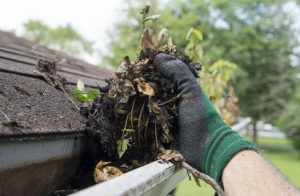 Clean Gutters
To avoid blockage or ice dams, make sure to clean your gutters at the least twice per year. Standing water can damage your roof and gutters, and unmanaged overflow could cause puddles that could cause foundation damage. Make sure to clear out any downspouts to allow water to flow. Also, make sure to secure downspouts away from your home.
Maintain Trees and Vegetation
A beautiful thing can be a thriving shrub – unless their roots get in the way of your pipes and cause damage. It’s crucial to reduce landscaping around utility pipes and, if necessary, remove any trees or shrubs that are too large.
Inside Your Home
Once you have a good idea of how water is outside your home let’s discuss how to minimize the risk of water damage inside.
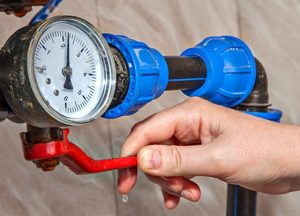 Know Your Water Main
According to plumbing experts, the water main shutoff is perhaps the most critical plumbing fixture in the house. Your water main supplies water to your entire house. The water main is the entry point to your home and then it is distributed to other pipes.
Knowing the location of your water main shutoff will help you turn off your water immediately if there is a plumbing emergency in your home.
If you are away from your home for a prolonged period, it is advisable to turn off the water main. There is a good chance that no water enters your home. This will prevent any faucet drips from causing havoc.
Maintain Appliances
In-home water damage is most often caused by appliances. Follow the manufacturer’s instructions to inspect and maintain your appliances for leakages.
It is important to pay attention to the condition of your refrigerator and washing machine hoses. These hoses can become brittle and old, which can lead to leaky hoses, which are the most common causes of water loss in homes. The average hose has a lifespan of five years. To avoid costly damage and a mess, replace your hose regularly.
Maintain Your Drains
Water damage can also occur from the interior. If the drains in your bathroom, kitchen, or toilet are not working properly, this can lead to water buildup and leakage to the floors, as well as the walls. You should make sure that your drainage system is working properly. You should take care of any drainage problems if you notice water levels rising in your toilet during rainy seasons. To clear any blockages, you should also clean your drains frequently.
Leakages Should Be Fixed Immediately
You should immediately investigate any evidence of a water leak in your home. You can experience mold, mildew, and dry rot if you ignore moisture damage, delay making repairs, or worse, even permanent damage to your home.
Remember that homeowners’ insurance covers accidental and sudden damage. A standard homeowner’s policy does not cover damage that is caused by neglect.
Install Water Detection Devices
A water detector is an electronic device that sounds an alarm whenever it encounters moisture. It detects moisture levels low enough to cause alarm, but not too severe that they go unnoticed. It can be installed near water heaters, sump pump, washing machines, dishwashers, and toilets to stop mold growth and prevent any further damage.
Check Your Water Pressure
Pipes and hoses can fail if the water pressure is too high. A water pressure gauge can be purchased at your local hardware store. Attach it to an exterior faucet and turn on the faucet. You will get a reading on your home’s water pressure.
The typical residential water system is designed to handle water pressures between 40 and 70 psi. Install a pressure regulator if your home’s water pressure is greater than 100 psi. These are also available at hardware stores.
Monitor Your Water Bill
Sometimes, a closer inspection of your water bill is the only way to find out if water is leaking. Put on your water detective hat if your usage increases from one month to another without any explanation. Is there a leak somewhere in your crawlspace? Is it a leak in your crawlspace? Do not ignore mystery leaks!
Paint Your Walls
Painting your walls may not be enough to protect your home against flooding or other serious damage. Waterproof paint protects walls from moisture buildup, cracks, mildew and mold. It seals against external water damage. When painting walls, use waterproof paint. Before you paint your walls, seal any cracks and damage.