
The signs of water damage are not always easy to spot. They might be hidden behind walls or in places where you would never notice them at first glance. However, they will usually reveal themselves over time as the problem worsens and the effects become more noticeable. It is important that you take action before it becomes too late and your home begins to suffer from mold, mildew, or other types of structural degradation.
Signs of Water Damage to Look Out For
Foul Odor
Unseen moisture can make a perfect breeding place for mold and mildew. Water leaks can cause a musty odor. To determine if the smell intensifies, check the area if you notice it. Depending on the source of the damage, the area might feel damp or humid.
Even older homes may have a particular smell, particularly in the basement or attic. Sudden changes in the smell could be a sign of something wrong. Any foul-smelling odor in a new home should not be detected as it could indicate mold growth or mildew. This is why it’s important to hire a home inspector when you buy a house.
 Sound of Dripping Water
Water damage signs aren’t always obvious to the naked eye. However, some can be heard. You should be alert for leaking faucets, creaking floorboards and dripping water. Hidden pipes may be leaking and should be addressed immediately. You might also want to make sure that your truck or vehicle wash bays are properly draining.
Bubbling or Peeling Walls
Similar to warped flooring, walls that have mold or moisture can start to bubble and peel. Walls may become soft and discolored.
A sign that your house has suffered water damage is excessive moisture in the walls. This indicates that the walls are not sturdy, which may lead to the baseboards breaking and paint being damaged. Water damage on walls can indicate that the leak has been hidden for some time. You may not notice the leak until it is too late.
Puddles and Pools
This is the most obvious sign of water damage. Water does not evaporate, and if it is left for too long without any ventilation or escape route, there will come a time when it begins to pool. You should be extra cautious with rooms such as bathrooms which are filled with moist air on a regular basis; they tend to trap the liquid longer than other areas and can quickly become breeding grounds for mold and mildew growth.
You may have noticed water dripping or leaking from your home. This could lead to small pools of water. If you find unusual puddles around your home, be sure to get rid of them and see if they return. You may have seepage or a leak if there are still puddles even after you’ve cleaned them up.
 Mold Growth
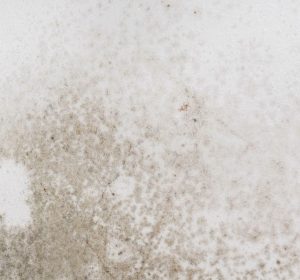
Too much moisture can cause mold growth. This is a common problem, but it’s not always dangerous. Excess mold can be dangerous for your health so get rid of them as soon possible.
Remember that any environment that is damp can be harmful to your health. It can cause irritation to the throat, nose and eyes as well as skin. Asthma symptoms and upper respiratory tract problems can also be caused by indoor dampness.
Mold growth in your home is a sign that there is high moisture. This can be due to water damage. Although you can remove the mold yourself, it is not possible to prevent it from coming back.
Old Stains on Carpets and Walls
Another common trait that appears after the liquid has seeped into your home’s interior is visible dark spots on the ceiling above where it was dropped from or any other surface within its path. If you notice these signs of water damage in various areas around your property, chances are there is something wrong with one of your plumbing systems somewhere. These can be caused by cracks in drainage pipes, leaking faucets which need to be fixed immediately before they cause more serious problems down the line!
Water Marks/Rings on Furniture
Furniture is often made out of wood and other porous materials which means that liquids such as water or soda can be absorbed into it. You might notice rings on the surface of tabletops, chairs, cabinets – any type of furniture within your home that has been stained by a liquid similar to how you would see coffee rings on a tabletop.
High Water Bills
A sudden rise in your water or sewage bills is another sign of water damage. Compare your current bills to check your bill. Consider the actions that contributed to your increased water consumption. Minor fluctuations are perfectly normal. However, an abrupt increase in your water bill could indicate a problem.
You should check that your toilets work properly and that the faucets aren’t leaking. To determine if there is water damage, you should ask professionals for help.
Damaged Flooring
Flooring can show signs of wear in rooms that aren’t used frequently or in corners. Water seepage into your subflooring can indicate a saturated foundation or pipe leakage. Tile flooring may become loose without any explanation. You might also notice wetness. You might also notice signs of warping or buckling in linoleum and wood flooring. Carpets can feel wet or soggy if they are carpets.
Cold Temperatures
It could be difficult to keep your home warm due to water damage. Your heater running frequently could indicate that your walls are damp. The heat from the walls may be drawn out by moisture as the water evaporates. This can negatively affect the temperature of your home.
Conclusion
Don’t delay if you see any of these signs. To resolve your problems, you should contact the top water damage specialists in your local area. It depends on how severe the water damage is, restoration or replacement may be necessary. You can avoid expensive repairs by hiring professionals to handle water damage.