
As part of your plumbing maintenance routine, it’s good to check the water pressure at home once a year. It’s quick and simple to test your water pressure. All you need is an inexpensive pressure gauge. Many homes have dedicated water pressure gauges that are connected to the main water supply. This allows homeowners to quickly check their water pressure with a quick glance. If you do not have a permanent water pressure gauge it’s easy to perform a periodic check with the standard gauge.
How Can You Test Your Home’s Water Pressure?
Too much water pressure can cause damage to all fixtures and plumbing. It can also lead to blowouts in washing machine hoses or flex lines, which can flood your house. Because it’s not always easy to tell when a regulator is failing, testing water pressure at your house’s main water supply line can be a smart idea. A water pressure test can detect problems with regulators before high pressure damage occurs.
Tip: If you find out that you have low pressure, call your utility or water provider to inquire about having an engineer come and inspect the problem. Sometimes, your water supplier may have the PRV (pressure-reducing valve) and can make any necessary adjustments.
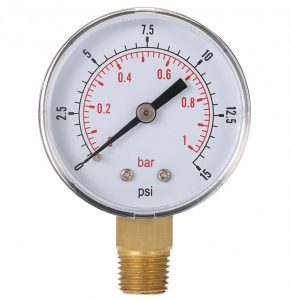 The Things You Will Need
- Equipment and Tools
- Water pressure gauge
- Tongue-and-groove scissors
Choose the Testing Location
If your water is from the city/municipal water utility, use a fixture or faucet that’s close to the pressure tank if you have water coming from a well. The hose bib and faucet will give you the best readings if they are fed from the longest supply pipe in the house. It hasn’t been cut like lines for bathroom fixtures. These lines are usually 3/4-1″ in length, though they can be as long as 1/2-inch.
Check for Running Water
Make sure that water is not being used inside and outside your house to get a precise reading. Shut off sprinklers and washing machines. You are testing the water pressure using a gauge. If water is moving in the plumbing system it could cause a false reading.
Install a Pressure Gauge
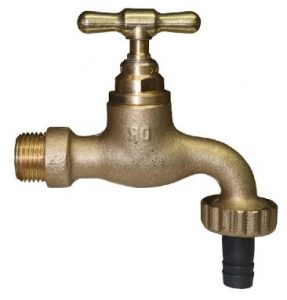
If there’s a connected hose, remove it from the faucet. Do not use a hose to test the water pressure. Attach the pressure gauge to the faucet. The pressure gauge will have a rubber gasket. You can simply tighten it by hand to ensure a seal. If the connection is leaking during testing, you can tighten it with a tongue-and groove plier or an adjustable wrench. For a precise reading, a good seal is essential.
Check the Pressure
Then turn the faucet until it is fully open. The average home water pressure is between 40-50 PSI and should never exceed 60 PSI. Standard pressure regulators can adjust up to 75 PSI. If the pressure gauge reading is higher than 75 psi then the regulator may not be working properly and must be replaced or repaired.
 Consult a plumber if you do not have a water regulator and your water pressure is above 60 PSI.
Testing at the Washing Machine
If you don’t have a hosebib, you can test the water pressure at the cold water supply tap of your washer. Turn off cold water from the faucet to the side of the washer and disconnect the hose. Be careful, as the hose will soon be full. Attach the pressure gauge to the faucet and open it all the way for pressure testing.
What Are the Benefits of Testing Water Pressure?
Prevent Pipes from Bursting
When you test water pressure in your home, you are preventing bad things from happening. If there is a decrease in pressure for some reason, it could be because of an increase in water usage due to running appliances or the toilet being flushed repeatedly. On the other hand, if there is an increase in pressure, it could be because of a problem with the water main. If you notice either situation has occurred, then you can call your plumber to come and fix it before pipes burst or damage occurs.
You May Have Leaks without Knowing It
Another reason why testing the water pressure in your home is important is because you may have leaks without even knowing it! Leaks are not always noticeable because they can be small. You could turn on your tap when drawing water to brush teeth or wash dishes and notice that the water pressure is fine, but you do not know if there is a slow leak in another part of the home causing undue strain on appliances. Testing the water pressure in your home can help you identify this problem and fix it before there is any further damage.
Helps You Know When You Have a Plumbing Issue
Testing the water pressure in your home can help you identify a plumbing issue before it is too late. If the water pressure has decreased significantly, then there could be something wrong with the mainline that connects to all of the appliances and taps throughout your house. This will cause everything to run slower than normal which eventually leads to leaks and damages if not repaired immediately.
Testing Your Water Pressure Regularly Can Help You Save Money
Testing the water pressure in your home on a regular basis can help you save money. This is because it will allow you to identify and fix issues before they get out of hand. If you notice that there is an issue with either an increase or decrease of water pressure, then be sure to call a plumber for assistance right away so damage does not occur!
In conclusion, testing water pressure in your home is important for many reasons. Whether you are buying a new house or not, it can prevent big problems from happening in the future! You can do this yourself using the method outlined above, or you can as well hire a professional to do it for you using more advanced methods. Regardless of the method, you choose, remember to test water pressure in your home on an annual basis, or whenever you notice something strange.